
02 / REAR LIGHTING
Rear
lamp moulds
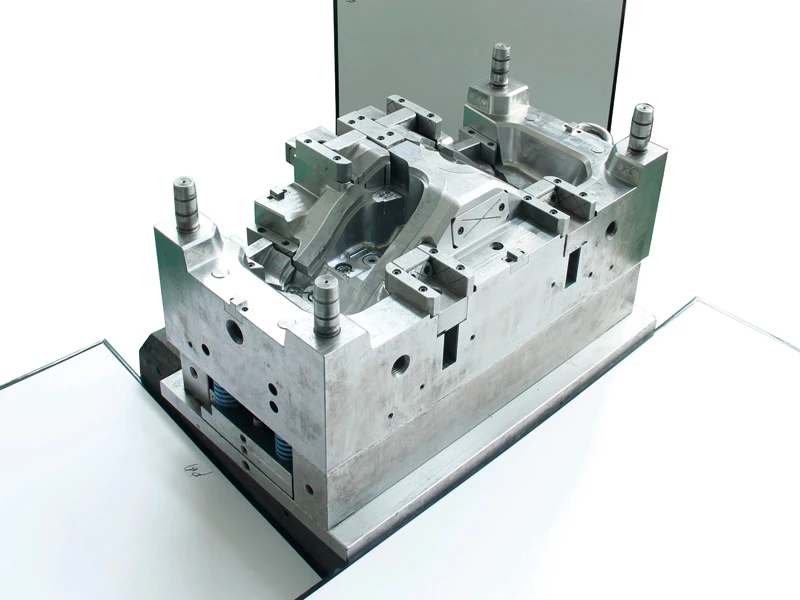
Moulds for rear lighting components, supporting the geometry and assembly requirements of each individual programme.
SELECTED WORK / ORIGINAL YUYA PHOTOGRAPHS
The product
portfolio.
08PORTFOLIO PHOTOS
SELECT AN IMAGE TO ENLARGE
Start with the rear lighting part
Rear lamp tooling enquiries may involve a lens, a housing, a decorative component or another individual plastic part. Identify the exact item to be moulded and its place within the rear lighting assembly. Share both the three dimensional model and the controlled drawing, including any separate requirements for colour, visible finish and mating surfaces. Assembly photographs are useful context but are not a manufacturing specification.
Explain whether the component belongs to the body mounted section, a movable section or another location in the vehicle. Identify the interfaces that the part must meet, without assuming that overall styling alone defines the tooling requirements. List any features that remain under development so their effect on the quotation can be discussed.
Connect appearance with tool design
A rear lamp component can have a long visible outline, several attachment points and detailed transitions between surfaces. Mark the zones where parting lines, trimming marks or ejector contact are permitted. Ask the design review to address the release direction and any movement required for clips, ribs or undercuts. These decisions should be checked against the finished part’s function and appearance.
For a coloured or multiple material part, provide the actual material grades and describe the intended moulding sequence. Confirm whether the request is for separate tools, a two material process or a different production route. The selected machine and material combination need a specific review; a similar looking portfolio image does not confirm compatibility.
Define quality checks before sampling
Set out which dimensions control fit, attachment and the relationship between adjacent lamp sections. Identify the measurement datums and any fixtures required for repeatable inspection. Appearance criteria should describe the viewing conditions and accepted reference, including how colour or surface differences will be judged where applicable.
If sealing, bonding or welding interfaces are involved, provide the relevant assembly requirements and assign responsibility for downstream evaluation. Tool sample approval and complete lamp validation are different activities. Agree which checks belong in the tooling contract and which will be carried out by the customer or another assembly partner.
Include the production handover
When requesting a rear lamp mould proposal, describe the intended production location, machine interface and required handover documents. Include expected demand, material specification, drawing status and the sample quantities needed for review. Ask how design changes and trial feedback will be handled. Tooling, trial parts and any ongoing plastic component order should have clear, separately agreed deliverables and acceptance responsibilities.
Let’s get into
the details.
01Rear lamp component tooling
02Custom part geometry
03Material and assembly review
Each project is reviewed individually. Material, dimensions, surface requirements, tooling specification and delivery timing are confirmed with your team.
LET’S MAKE WHAT’S NEXT